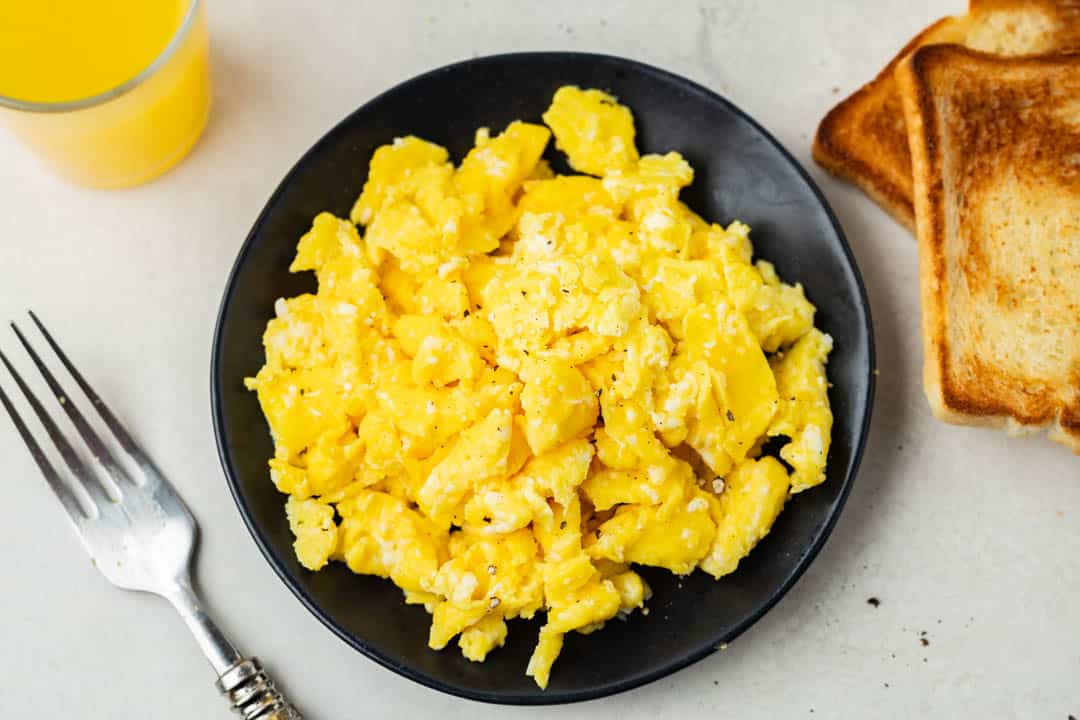
Achieve Fluffy Scrambled Eggs: The No-Milk, Butter-Rich Method
There's a universally cherished breakfast dish that often sparks lively debate among culinary enthusiasts and home cooks alike: scrambled eggs. Everyone desires that perfect plate of eggs – light, airy, and incredibly tender. But the path to achieving truly how to make fluffy scrambled eggs often seems shrouded in mystery, with countless conflicting tips floating around. Today, we're here to cut through the noise and unveil a method that consistently delivers the most delectable, cloud-like scrambled eggs you've ever tasted. Forget the old-fashioned wisdom of adding milk; our secret lies in a generous hand with butter and a few simple, yet crucial, techniques.
This approach isn't just a random set of steps; it's a refined technique drawing inspiration from culinary masters like Gordon Ramsay and Alton Brown, simplified for the everyday kitchen. It's about understanding the subtle science behind egg cookery and leveraging it to your advantage. So, if you're ready to transform your breakfast routine and impress everyone at the table with perfectly cooked eggs, grab your whisk and let's get started on the ultimate butter-rich, no-milk method for achieving truly fluffy scrambled eggs.
The Great Milk Debate: Why Butter Wins for Fluffiness
For generations, a common piece of advice for how to make fluffy scrambled eggs involved pouring a splash of milk into the egg mixture. The belief was that milk would make the eggs creamier and lighter. However, years of culinary experimentation and expert consensus have revealed a starkly different truth: adding milk is actually detrimental to achieving that coveted fluffy texture. Milk, being mostly water, dilutes the eggs, making them rubbery and tasteless rather than rich and airy.
The original practice of adding milk to scrambled eggs likely stemmed from a need to stretch ingredients further, making a small number of eggs serve more people. While economical, it sacrifices quality. For genuine creaminess without compromising the texture, options like heavy cream, sour cream, or cream cheese (about 1/2 tablespoon per egg) can be considered. These ingredients, with their higher fat content, add richness and a velvety mouthfeel without the diluting effect of milk. However, for the ultimate in fluffiness and a rich, buttery flavor profile, our focus remains squarely on butter.
Butter, unlike milk, contributes pure fat, which enhances both the flavor and the delicate texture of the eggs. It helps create those tender, melt-in-your-mouth curds that are the hallmark of perfectly how to make fluffy scrambled eggs. It’s a game-changer, providing a depth of flavor and a luxurious consistency that milk simply cannot replicate. For a deeper dive into this topic, explore our article on Fluffy Scrambled Eggs Without Milk: Secret to Creaminess Revealed.
Mastering the Method: A Step-by-Step Guide to Fluffy Scrambled Eggs
Achieving restaurant-quality fluffy scrambled eggs at home is simpler than you think, provided you follow these precise steps. It’s all about control – from whisking to heat management to the right pan choice.
1. Prepare Your Eggs with Precision
- Crack and Whisk: Begin by cracking your desired number of eggs into a small bowl. For optimal results, aim for two eggs per person. Whisk them vigorously for a full minute. This isn't just mixing; it's incorporating air, which is crucial for fluffiness. The goal is a light, airy mixture with a pale yellow color.
- Optional Add-ins: If you're incorporating cheese, whisk it in now. For any other delicate herbs or seasonings (beyond salt and pepper), consider adding them towards the end of cooking to preserve their flavor.
2. Choose the Right Pan and Heat Management
- Pan Power: While a skillet can work, a small nonstick saucepan is truly superior for how to make fluffy scrambled eggs. Its deeper shape traps heat more effectively, allowing the eggs to cook not just from the bottom, but also gently from the sides and top. This results in a more even, tender scramble. For two eggs, a 7-inch saucepan is ideal. You can learn more about this in Fluffy Scrambled Eggs: Mastering Heat, Whisking & Pan Choice.
- Butter Up: Melt a generous pat of unsalted butter (about 1 tablespoon per 2-3 eggs) over LOW heat in your nonstick saucepan. Wait until the butter begins to foam slightly, indicating it's perfectly hot but not burning.
- The Critical Heat Break: This is a technique inspired by professional chefs. Once the butter is foamy, remove the pan completely from the heat. Immediately pour in your vigorously whisked eggs. Return the pan to the low heat. This initial cooling prevents the bottom of the eggs from setting too quickly and becoming tough.
3. The Gentle Scramble Technique
- Initial Foam: As soon as the pan is back on the heat, whisk the *top* of the eggs vigorously again. You'll see a frothy layer form on the surface. Try to keep the whisk from scraping the bottom of the pan to avoid breaking the delicate curds forming below.
- Setting the Base: Let the bottom layer of the eggs set for about 5-7 seconds without touching them. You’ll see the edges firming up slightly.
- The Fold and Tilt: Using a silicone spatula (which won't scratch your nonstick pan), gently run it from the edge of the pan towards the middle, creating a space. Immediately tilt the pan so that the uncooked, liquid egg on top can slide onto the exposed hot surface.
- Continuous Motion: Continue this process: gently pushing cooked eggs into the center, tilting the pan, and rotating it to allow uncooked egg to hit the hot surface. Do this continuously for about 30 seconds. You’ll notice the eggs transforming into soft, beautiful curds.
- Off-Heat Finish: When the eggs are mostly set but still have some visibly wet spots, remove the pan from the heat entirely. The residual heat in the pan will continue to cook the eggs gently. Gently fold the eggs a few more times with the spatula, allowing any remaining wet areas to touch the warm surface and finish cooking to perfection. This ensures they remain incredibly tender and stops them from overcooking.
4. Season and Serve
- Seasoning: Season your fluffy scrambled eggs with a pinch of salt and freshly ground black pepper immediately after removing them from the heat. Seasoning too early can draw moisture out of the eggs, affecting their texture.
- Serve Immediately: Transfer your perfect scrambled eggs to a warm plate and serve without delay. They are best enjoyed fresh, perhaps alongside some crispy skillet potatoes or toasted sourdough.
The Science of Scramble: Why This Method Delivers Perfection
This "no-milk, butter-rich" method for how to make fluffy scrambled eggs isn't just a collection of steps; it's rooted in a deep understanding of how eggs cook. Let's break down the science:
- Aeration Through Whisking: The initial vigorous whisking isn't just about combining yolk and white; it's about incorporating air. These tiny air bubbles expand slightly when heated, contributing significantly to the light, fluffy texture.
- The Power of Butter: Butter, being a fat, serves multiple purposes. It coats the egg proteins, preventing them from bonding too tightly and becoming tough. It also adds a luscious richness and flavor that water-based liquids like milk cannot provide. The fat also helps conduct heat gently and evenly.
- Controlled, Low Heat: This is arguably the most critical element. Eggs are delicate proteins that coagulate quickly and tighten up under high heat, leading to rubbery results. By cooking on low heat and frequently removing the pan from the direct heat source, we ensure a slow, gentle set. This allows the egg proteins to form small, tender curds rather than large, tough masses. The "off-heat finish" is genius because it prevents carryover cooking from drying out the eggs.
- The Small Saucepans Advantage: A smaller, deeper pan allows the eggs to pile up slightly, creating an environment where the steam generated during cooking is partially trapped. This steam contributes to the fluffiness by gently cooking the eggs from all sides, creating a consistent, airy texture throughout. A larger, flatter skillet can lead to thin, dried-out eggs that cook too rapidly on the bottom.
Elevate Your Eggs: Pro Tips for Unforgettable Scrambles
Beyond the core technique, a few additional tips can truly set your fluffy scrambled eggs apart:
- Room Temperature Eggs: While not strictly essential, bringing your eggs to room temperature for 15-20 minutes before cooking can lead to a more even and tender scramble. Cold eggs can cause the temperature of your pan to drop significantly, making consistent cooking harder.
- Don't Overcrowd the Pan: The recommended 2 eggs per person, cooked in a small saucepan, is key. Trying to cook too many eggs at once will overcrowd the pan, reduce the pan's temperature, and result in less uniform cooking and a denser scramble.
- Fresh Herbs and Finishes: Once off the heat, consider stirring in finely chopped chives, parsley, or dill for a burst of freshness. A tiny dollop of crème fraîche or a sprinkle of flaky sea salt on top right before serving can also add a gourmet touch.
- Avoid Overcooking at All Costs: Remember, the eggs should be removed from the heat when they still appear slightly undercooked or "wet." They will continue to cook in the residual heat of the pan and on the serving plate. Overcooked eggs are dry, crumbly, and lose their signature fluffiness. Err on the side of slightly underdone for maximum tenderness.
- Pairing Perfection: Fluffy scrambled eggs are a versatile dish. Serve them simply with toast, or elevate your breakfast with avocado slices, smoked salmon, or alongside a vibrant green salad for a light lunch.
Mastering the art of how to make fluffy scrambled eggs without milk is a rewarding culinary journey. By embracing butter, understanding heat control, and utilizing the right tools, you'll consistently create a breakfast experience that's truly exceptional. It's a testament to the idea that sometimes, simplicity and proper technique yield the most extraordinary results.
In conclusion, the quest for the ultimate fluffy scrambled eggs ends not with a splash of milk, but with a generous pat of butter and a thoughtful approach to cooking. By vigorously whisking your eggs, melting butter over low heat in a nonstick saucepan, and meticulously managing the cooking process with timely removal from heat, you unlock a world of tender, rich, and truly airy curds. This method, combining the best of culinary wisdom, guarantees a perfect breakfast that will make you proud. So go ahead, crack those eggs, grab your butter, and prepare to elevate your scrambled egg game forever.
