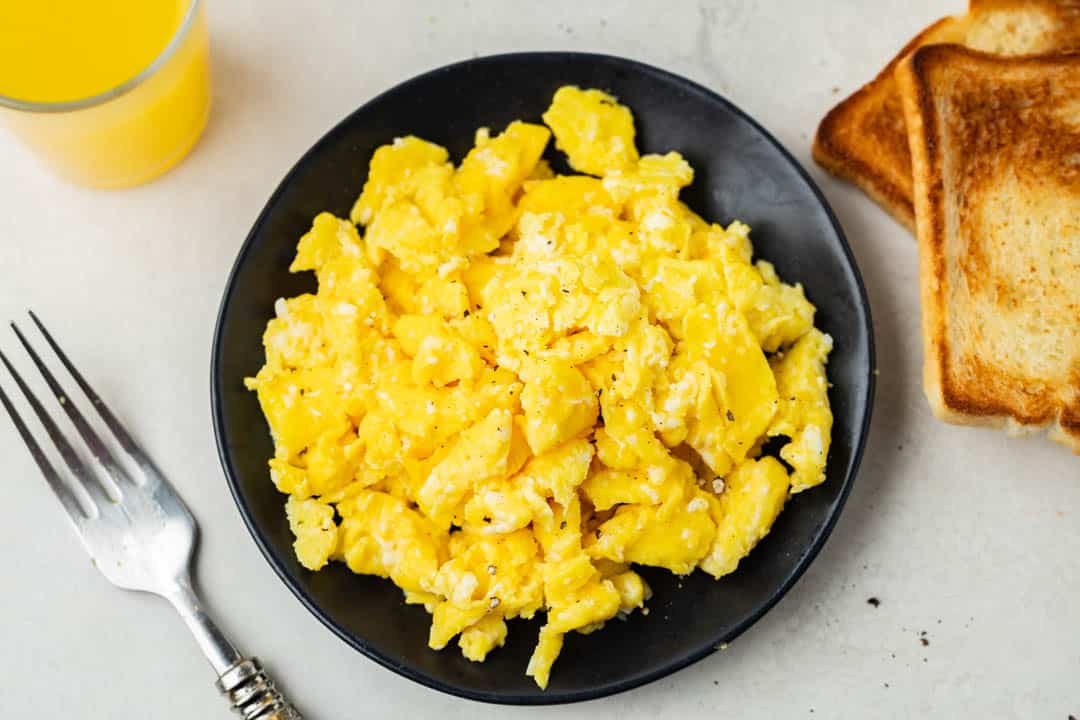
There are few culinary achievements as universally satisfying as a perfectly executed batch of fluffy scrambled eggs. More than just a simple breakfast staple, they're often considered a benchmark of a home cook's skill – a dish that, when done right, brings warmth and comfort to any morning. If you've ever wondered how to make fluffy scrambled eggs that are light, airy, and bursting with flavor, you're in the right place. Forget dry, rubbery curds; we're about to unlock the secrets to a scramble so cloud-like, it will transform your breakfast routine.
For many, the journey to the perfect scrambled egg has been fraught with trial and error. But what if we told you that mastering this seemingly elusive dish requires nothing more than a few fresh eggs, a knob of butter, and a dash of technique? Drawing inspiration from culinary titans like Gordon Ramsay and Alton Brown, and blending their best practices into an accessible method, we’ll guide you through every critical step, from whisking to pan choice, ensuring your scrambled eggs are consistently sublime.
The Foundation: Debunking Myths and Embracing Butter
Before we dive into the method, let’s address one of the most persistent myths surrounding scrambled eggs: the addition of milk. For generations, many believed that a splash of milk or water was the key to creating a softer, fluffier texture. However, culinary wisdom and practical experimentation have shown this to be counterproductive.
Why Milk is a Mistake for Fluffy Scrambled Eggs
- Dilution: Adding milk primarily waters down the eggs, diluting their natural richness and flavor. What you gain in perceived volume, you lose in taste.
- Texture Compromise: Milk introduces extra liquid that steams off during cooking, often leading to a rubbery or uneven texture rather than the desired fluffy outcome. The aim is to create tender, soft curds, not a watery scramble.
- Historical Context: The practice of adding milk originated as a way to "stretch" eggs, making a smaller quantity feed more people – a necessity born out of scarcity, not culinary enhancement.
So, if not milk, then what's the secret ingredient for that luxurious creaminess and incredible fluff? The answer is simple and decadent: butter. Butter not only prevents sticking but also infuses the eggs with a rich, velvety mouthfeel that milk simply cannot replicate. It’s the cornerstone of our quest to master how to make fluffy scrambled eggs.
For those seeking an even richer, more indulgent consistency, beyond the basic butter method, you can explore adding a small amount of heavy cream, sour cream, or even cream cheese – about ½ tablespoon per egg. These high-fat dairy options add genuine creaminess without compromising the egg's flavor or texture in the way milk does. To dive deeper into the science of this, check out our guide on Fluffy Scrambled Eggs Without Milk: Secret to Creaminess Revealed.
Essential Gear: Choosing the Right Pan and Tools
While the eggs and butter are crucial, your equipment plays a surprisingly significant role in achieving that perfect fluffy texture. Don't underestimate the power of the right pan and spatula.
The Unsung Hero: The Small Saucepan
Forget the wide skillet you usually reach for; for truly fluffy scrambled eggs, a small saucepan is your secret weapon. Here’s why:
- Superior Heat Distribution: Unlike a skillet which cooks primarily from the bottom, a saucepan's taller sides allow it to trap and reflect heat more effectively. This means your eggs cook not just from the bottom, but also gently from the sides and even slightly from the top, leading to a more even, tender cook. This unique heat dynamic prevents the bottom from overcooking while the top remains raw.
- Ideal Shape for Folding: The smaller, deeper shape makes the gentle folding technique much easier to manage, allowing uncooked egg to flow into the gaps you create.
For optimal results, we highly recommend a nonstick saucepan. This ensures your delicate eggs don't adhere to the surface, making the cooking process smoother and clean-up a breeze. A 7-inch nonstick saucepan is ideal for making 2-3 eggs, which is typically the perfect serving size per person.
Your Trusty Spatula
A flexible silicone spatula is another essential tool. Its soft edge won't scratch your nonstick pan, and its pliability allows for gentle manipulation of the curds, which is vital for maintaining that delicate fluffiness.
The Master Method: Step-by-Step for Unbelievably Fluffy Scrambled Eggs
Now, let’s bring it all together. This method combines the rapid, low-heat technique with strategic whisking to create a scramble that’s both quick and incredibly light. This is your definitive guide on how to make fluffy scrambled eggs every single time.
Step-by-Step Instructions:
- Crack and Whisk Vigorously: Crack 2-3 large eggs into a small bowl. Using a fork or a small whisk, vigorously whisk the eggs for at least 1 minute. You want to incorporate air, breaking down the whites and yolks completely until the mixture is uniform and slightly frothy. This aeration is crucial for fluffiness. If you're adding cheese, whisk it in at this stage.
- Melt Butter Over Low Heat: Place your nonstick saucepan over very LOW heat. Add a generous knob of butter (about 1 tablespoon per 2 eggs) and let it melt until it just begins to foam. Do not let it brown – we're looking for gentle warmth, not intense searing.
- Initial Off-Heat Introduction: Remove the pan from the heat. Pour the whisked eggs into the buttered pan. This crucial step prevents the eggs from immediately seizing and forming large, tough curds.
- Return to Heat & Whisk the Top: Return the pan to the LOW heat. Immediately begin whisking the *top* of the eggs vigorously, creating a foamy surface. Try not to touch the bottom of the pan with your whisk too much at this stage; we're encouraging the formation of small, tender curds on the surface while the bottom gently sets. Continue for about 10-15 seconds.
- Gentle Folding & Tilting: Let the bottom of the eggs set for 5-7 seconds without stirring. Then, using your silicone spatula, gently run it from the edge of the pan into the middle, pushing the cooked eggs towards the center. As you do this, tilt the pan so that the uncooked, liquid egg on top can flow onto the hot, exposed surface you just created.
- Repeat & Rotate: Continue this gentle sliding and tilting motion. Slide cooked eggs towards the middle, rotate the pan, and let uncooked eggs hit the hot surface. This continuous, low-heat movement creates incredibly soft, moist curds. The goal is to cook the eggs slowly and evenly, preventing any part from overcooking.
- Remove While Still Moist: After about 30-45 seconds (timing is key and depends on your stove), the eggs will be mostly set but still look slightly wet and glossy. This is your cue to remove the pan from the heat entirely. The residual heat in the pan will continue to cook the eggs to perfection.
- Final Fold & Serve: Gently fold the eggs a few more times with your spatula to ensure any remaining wet spots touch the warm pan and finish setting. If desired, you can create 'slices' with the spatula to break the scramble into smaller, bite-sized pieces. Season immediately with sea salt and freshly ground black pepper. Do not season before cooking, as salt can draw moisture out of the eggs, potentially making them tough.
Transfer to a warm plate and serve immediately. These fluffy masterpieces are best enjoyed fresh, perhaps with a side of skillet potatoes, avocado, or a slice of artisanal toast. For a deeper dive into this butter-rich approach, explore Achieve Fluffy Scrambled Eggs: The No-Milk, Butter-Rich Method.
Beyond the Basics: Elevating Your Scramble
Once you've mastered the foundational technique of how to make fluffy scrambled eggs, you can begin to experiment with various additions to enhance flavor and texture.
Seasoning Smartly
As mentioned, always season your scrambled eggs *after* they're cooked. Salt draws moisture out, and if added too early, it can make your eggs watery or tough. A pinch of good quality sea salt and freshly cracked black pepper are often all you need to highlight the eggs' natural flavor.
Flavor Boosters
- Herbs: Fresh chives, parsley, dill, or tarragon, finely chopped and folded in at the very end, add a burst of freshness and color.
- Cheese: If adding cheese (e.g., cheddar, Gruyère, feta, goat cheese), whisk it in with the raw eggs. The fats in the cheese will melt beautifully into the curds.
- Spices: A tiny pinch of smoked paprika, a dash of garlic powder, or a hint of red pepper flakes can introduce delightful complexity.
- Umami Bomb: A very small dash of fish sauce (don't worry, you won't taste fish!) or a pinch of nutritional yeast can add incredible savory depth.
Serving Suggestions
Fluffy scrambled eggs are versatile. Pair them with:
- Crispy bacon or sausage
- Warm, buttery toast or English muffins
- Fresh avocado slices or guacamole
- A simple green salad for a lighter meal
- Sautéed mushrooms or spinach
Remember, practice makes perfect. The beauty of this method lies in its simplicity and the subtle nuances of heat control and whisking. Each time you make them, you'll gain a better feel for your stovetop and pan, leading to even more consistently flawless results.
Conclusion
Mastering how to make fluffy scrambled eggs is a culinary milestone that elevates your breakfast game from routine to remarkable. By understanding the critical roles of low heat, vigorous whisking, the right pan, and the magic of butter over milk, you unlock a world of tender, cloud-like curds. This technique, a harmonious blend of expert approaches, proves that simplicity, when executed with precision, yields extraordinary results. So, grab your eggs, your butter, and your saucepan, and prepare to make breakfast the best part of your day – a testament to the fact that sometimes, the most profoundly satisfying dishes are the ones made with genuine care and clever technique.
