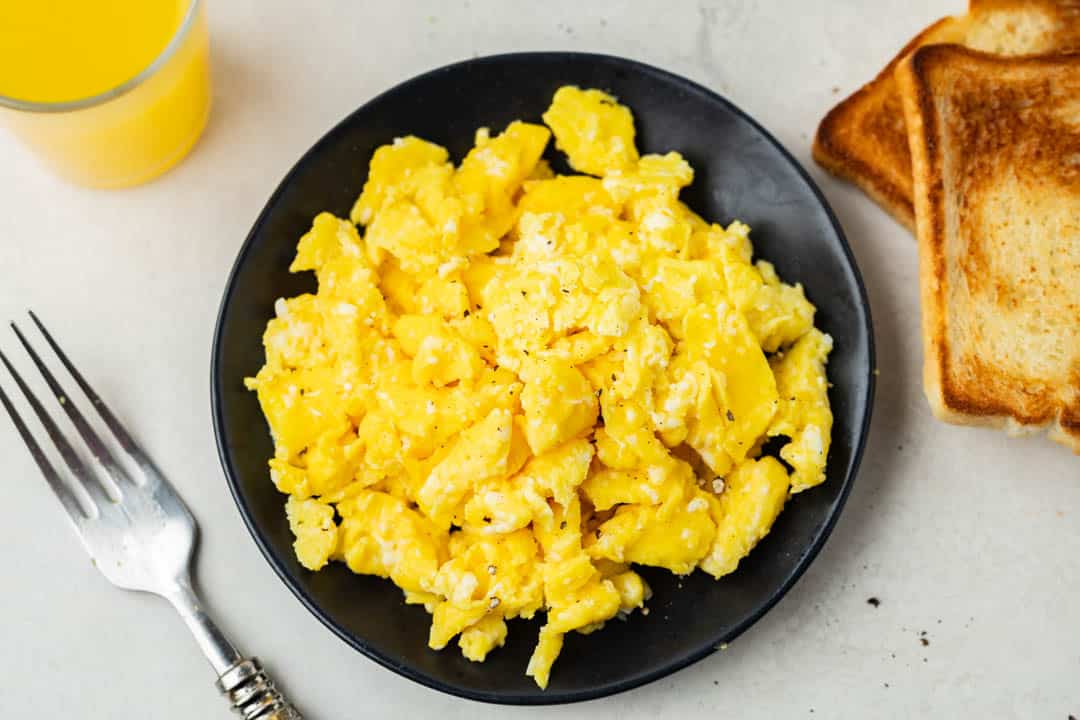
Fluffy Scrambled Eggs Without Milk: Secret to Creaminess Revealed
Imagine waking up to the aroma of perfectly cooked eggs, so light, so airy, and so incredibly creamy that they practically melt in your mouth. For many, the quest for truly fluffy scrambled eggs often involves a splash of milk, a culinary tradition passed down through generations. However, what if we told you that the secret to achieving that ethereal creaminess lies not in adding milk, but in a clever combination of technique and a beloved dairy friend? Prepare to revolutionize your breakfast routine, because we're about to reveal how to make fluffy scrambled eggs that are superior in taste and texture, all without a single drop of milk.
For families who cherish a delicious morning meal, mastering the art of the perfect scramble can transform an ordinary day into something special. Forget the rubbery, watery eggs you might have encountered before. This method, a brilliant fusion of culinary wisdom inspired by masters like Gordon Ramsay and Alton Brown, simplifies advanced techniques for the home cook, ensuring success every time. The core revelation? Butter is your ally, and milk is your foe when it comes to achieving that coveted, cloud-like consistency.
The Milk Myth: Why Less is More for Creamy Scrambled Eggs
It’s a common misconception, ingrained in many home kitchens: add milk to scrambled eggs for creaminess. But culinary experts consistently debunk this myth. The truth is, adding milk or even water to your eggs actually works against you. Milk dilutes the rich flavor of the eggs, and more importantly, it introduces extra liquid that can lead to a watery, rubbery, or even bland result. This practice largely originated as a way to "stretch" eggs further, allowing households to serve more portions with fewer ingredients – a practical solution for a bygone era, but detrimental to taste and texture.
If you're seeking to understand Achieve Fluffy Scrambled Eggs: The No-Milk, Butter-Rich Method, the first step is to discard the milk carton. Instead of watering down your eggs, we'll lean into the natural richness of butter and a smart cooking process. While a tiny touch of heavy cream (about 1/2 tablespoon per egg) can be an indulgent option for an ultra-rich consistency, or even a dollop of sour cream or cream cheese whisked in, our primary focus for that light, fluffy, and naturally creamy texture remains pure, unadulterated eggs enhanced by butter. The goal is to elevate the egg itself, not mask it.
Essential Tools and Ingredients for Flawless Fluffy Eggs
Success in the kitchen often begins with having the right equipment and quality ingredients. For the best fluffy scrambled eggs, you don't need an arsenal of gadgets, but a few key items will make all the difference:
- Fresh Eggs: The star of the show! Always opt for fresh, good quality eggs. The fresher they are, the better their texture and flavor will be.
- Unsalted Butter: This is your secret weapon. Butter not only adds incredible flavor but also contributes to the velvety texture we're aiming for. Unsalted butter gives you control over the final seasoning.
- Small Nonstick Saucepan: This is crucial. While many use a skillet, a small saucepan (a 7-inch pan is ideal for 2 eggs per person) is superior for scrambled eggs. Its shape traps heat more efficiently, cooking the eggs not just from the bottom, but also gently from the sides and slightly from the top. This even, consistent heat application is key to a truly fluffy, tender scramble. A nonstick surface prevents sticking and ensures easy cleanup.
- Whisk: Essential for incorporating air into your eggs, a critical step for fluffiness.
- Silicone Spatula: Gentle on your nonstick pan and perfect for folding and manipulating the delicate curds without tearing them.
Mastering the Technique: Step-by-Step Guide to Fluffy Scrambled Eggs
This method combines the best of revered culinary techniques, making it surprisingly simple to achieve restaurant-quality results at home. Prepare to master how to make fluffy scrambled eggs that will become your new go-to breakfast:
Step-by-Step Instructions:
- The Vigorous Whisk: Crack your desired number of eggs (we recommend 2 per person) into a small bowl. Whisk them vigorously for at least one minute. This isn't just about breaking yolks; it's about incorporating air, which is fundamental for a light, fluffy texture. If you plan to add cheese, whisk it in now to distribute it evenly.
- Butter & Low Heat Initiation: Place your nonstick saucepan over very low heat. Add a generous knob of butter (about 1/2 tablespoon per two eggs). Let it melt slowly until it begins to foam. This foam indicates the butter is perfectly heated and ready for the eggs.
- The Off-Heat Start: This is a game-changer! Once the butter is foamy, remove the pan completely from the heat. Pour your whisked eggs into the warm, buttery pan. Immediately return the pan to the low heat.
- The Top Whisk & Gentle Scrape: Using your whisk, vigorously whisk the top of the eggs in the pan, trying not to touch the bottom initially. Continue until the surface becomes very foamy. This initial whisking helps create small, delicate curds. Let the bottom of the eggs set for about 5-7 seconds.
- The Folding & Tilting Method: Grab your silicone spatula. Gently run it from the edge of the pan into the middle, pushing the cooked egg towards the center. As you do this, tilt the pan so that the uncooked, liquid egg can flow onto the hot surface you just exposed. Continue this motion – sliding cooked eggs into the middle and rotating the pan to allow uncooked eggs to hit the surface – for about 30 seconds. This continuous gentle movement prevents overcooking and creates beautifully soft curds.
- Finishing Off-Heat: After about 30 seconds, your eggs will be mostly set but still look quite moist. Remove the pan from the heat again. The residual heat in the pan is enough to finish cooking them perfectly. Gently fold the eggs with your spatula, ensuring any remaining wet spots briefly touch the warm pan. This stage is crucial for preventing dry, overcooked eggs. If desired, you can create "slices" with your spatula to form smaller, uniform curds that resemble a classic scramble.
- Season & Serve Immediately: Season your fluffy scrambled eggs with salt and freshly cracked black pepper. It's important to season at the very end; adding salt too early can draw out moisture and make eggs tough. Transfer them immediately to a warm serving plate. Serve plain or alongside skillet potatoes, toast, or your favorite breakfast accompaniments.
By mastering Fluffy Scrambled Eggs: Mastering Heat, Whisking & Pan Choice, you'll consistently create a breakfast that feels luxurious yet is incredibly simple.
Pro Tips for Achieving Scrambled Egg Perfection Every Time
Beyond the steps, a few expert insights can elevate your scrambled egg game from good to absolutely glorious:
- Patience with Low Heat: High heat is the enemy of fluffy scrambled eggs. It cooks them too quickly, leading to a rubbery texture and inconsistent doneness. Keep the heat low and be patient; it’s worth the wait.
- Don't Overcook: This is perhaps the most critical tip. Remove the eggs from the heat when they still appear slightly wet or glistening. They will continue to cook from the residual heat of the pan and their own internal temperature, ensuring they are perfectly tender and moist when they reach your plate. Overcooked eggs are dry and crumbly.
- Whisking is Key for Air: Don't skimp on the initial vigorous whisking. Incorporating air creates hundreds of tiny bubbles that expand during cooking, giving your eggs their signature fluffiness.
- Season at the End: Salt draws moisture out of food. Adding it too early can make your eggs watery or even break down their protein structure, leading to a tougher texture. Season just before serving for optimal flavor and texture.
- Consider Freshness: While any egg will work, fresher eggs often have a thicker albumen (the white part), which contributes to a richer, more cohesive scramble.
- Personalize Your Scramble: Once you've mastered the basic technique, feel free to experiment. Stir in finely chopped chives or other fresh herbs right before serving. Add a pinch of red pepper flakes for a kick, or incorporate sautéed vegetables like spinach or mushrooms into the scramble during the last minute of cooking.
Conclusion
There you have it: the definitive guide on how to make fluffy scrambled eggs that are rich, creamy, and undeniably delicious, all without a drop of milk. By embracing butter, mastering low-heat cooking, and understanding the power of a proper whisk and pan choice, you can transform a simple breakfast staple into a culinary delight. This method proves that sometimes, less is truly more – less milk, more flavor, and more incredible texture.
Next time you're craving that perfect, soft scramble, ditch the old habits and embrace this technique. You'll not only impress your family and friends but also discover the profound satisfaction of truly mastering one of the simplest yet most rewarding dishes in the culinary world. Make breakfast the best part of your day, every day.
